Lower-impact material options
- Reclaimed wood: reused material from older buildings or leftover projects can bring character while reducing waste.
- Composite made with recycled content: some composite products use recycled plastic and wood fiber while offering lower ongoing maintenance.
- Pressure-treated wood with lower environmental impact: not every treated product is equal, so it is worth comparing treatments and sourcing.
- Responsibly sourced timber: certified wood can be a better fit when you want new material with a clearer sourcing story.
Greener design choices
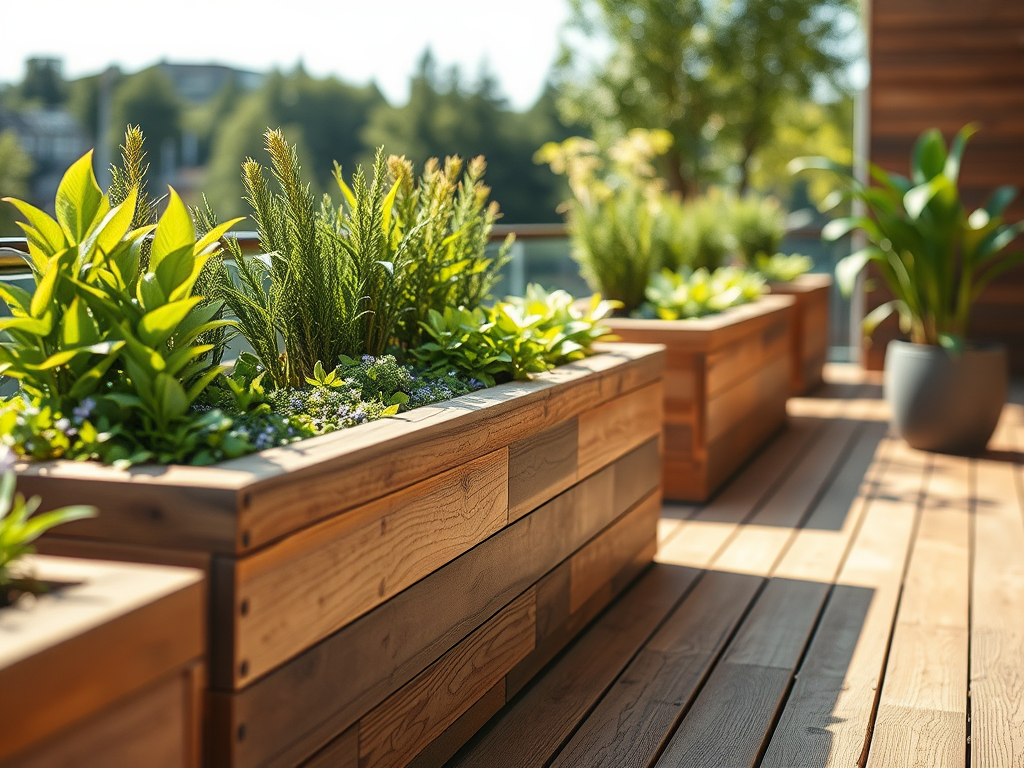
- Built-in planters or edible beds: they add use and atmosphere at the same time.
- Green screens and climbing plants: these can soften the deck and add shade or privacy.
- Water-saving irrigation: useful if the deck includes planted areas.
Practical ways to reduce waste
- plan cuts more carefully
- reuse offcuts for benches, small trim pieces, or planters
- choose durable lighting such as solar or LED fixtures
- use plant-based shade where possible instead of adding more materials than you need
Think about long-term upkeep too
- use finishes and oils that fit the material and climate
- inspect the deck regularly so boards and framing last longer
- choose durable details that reduce the need for early replacement
Start with the quantity estimate
A better deck plan usually creates less waste. Use the deck calculator before you buy materials so the project starts with a more realistic baseline.