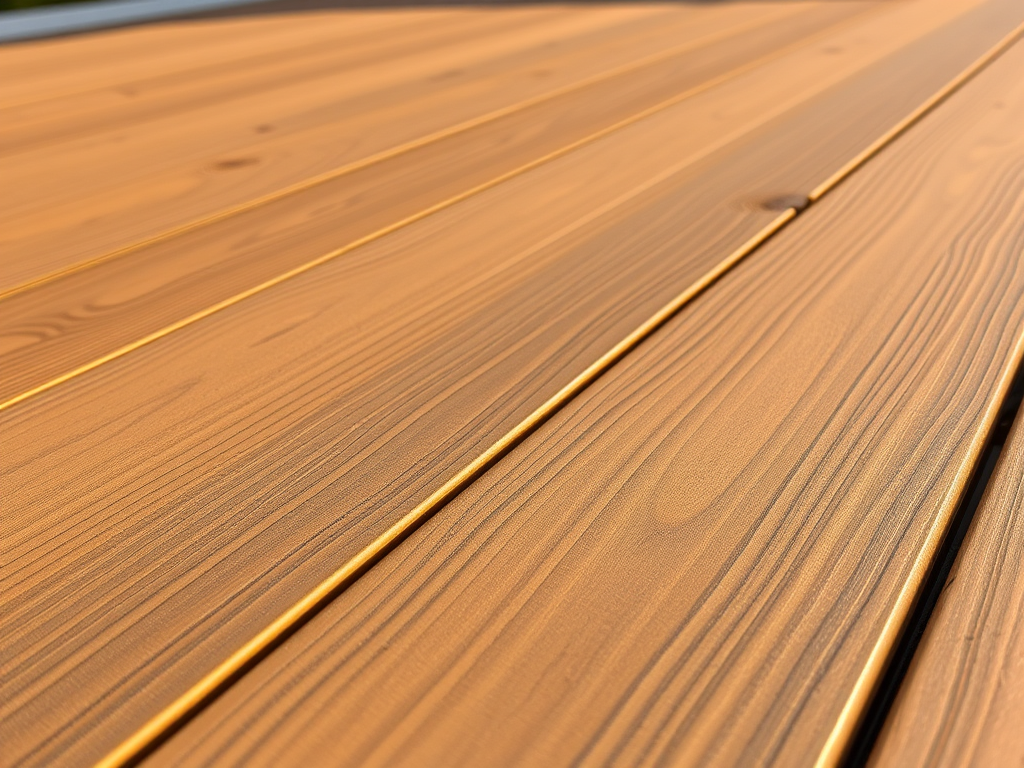
1. Choose the decking material
Start by deciding what material you want to use. Your choice affects appearance, durability, and long-term maintenance.
- Pressure-treated wood: a common and budget-friendly option for many deck projects.
- Cedar: naturally more resistant to weather and pests, with a warmer natural color.
- Composite decking: a mix of wood fiber and plastic that usually needs less upkeep over time.
Pick the option that fits your budget, style, and maintenance expectations.
2. Measure the deck area
Next, measure the overall deck size. Multiply the length by the width to get the total area.
Example:
- Length: 6 meters
- Width: 4 meters
- Area: 24 m2
3. Enter the key values
Once you know the deck area, enter the most useful planning inputs into the deck calculator:
- total area
- board width for the decking you are considering
4. Let the calculator do the estimate
The calculator turns those inputs into a practical estimate for how much decking you may need, including a margin for cuts, waste, and a few adjustments during installation.
5. Order with a small safety margin
Once you have the estimated quantity, you can plan your purchase more confidently. It is still smart to leave a little room for damaged boards, layout changes, or future repairs.
Why this helps
- Saves time: less manual math
- Improves planning: easier to compare board sizes and options
- Reduces waste: you start with a more realistic quantity baseline
Use the deck calculator when you want a faster, more practical starting point for deck board quantities.