Choose the right support method
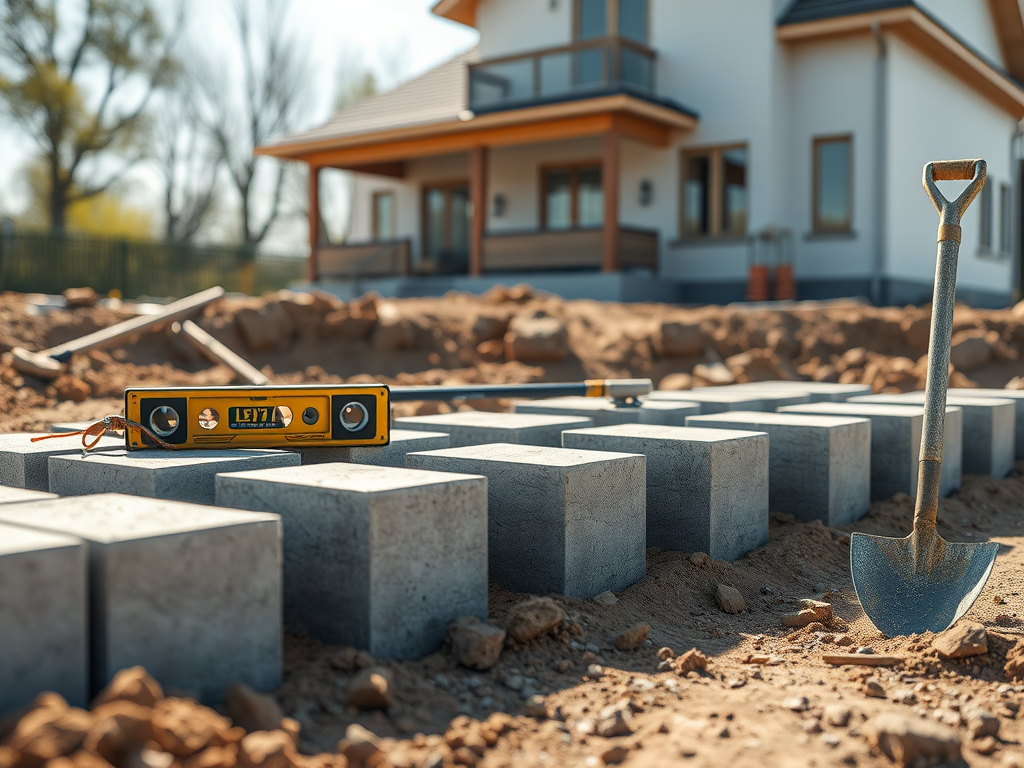
Point footings
- Why people use them: practical for many deck projects with moderate loads
- Common materials: concrete blocks, post bases, or similar support systems
- Best fit: small to medium deck builds on more predictable ground
Perimeter wall or heavier support structure
- Why people use it: gives more stability for larger or heavier builds
- Common materials: concrete or masonry-based support systems
- Best fit: larger decks, sloped sites, or weaker ground conditions
Full slab or continuous base
- Why people use it: very stable for more permanent structures
- Best fit: projects with higher moisture exposure or site conditions that call for a more substantial base
A practical installation sequence
- Mark out the deck area clearly.
- Excavate and prepare the sub-base so drainage is built in from the start.
- Install the support system that fits the project.
- Build the framing on top and check that the structure is level.
- Confirm stability before the deck boards go down.
Details that improve long-term durability
- use outdoor-rated material where the structure is exposed
- plan for good drainage under the deck
- protect metal connectors and fasteners from premature corrosion
- think about frost, movement, and site moisture before the project is locked in
Estimate the surface materials too
Once the base plan is clear, use the deck calculator to estimate how much decking and how many screws the finished deck surface is likely to need.